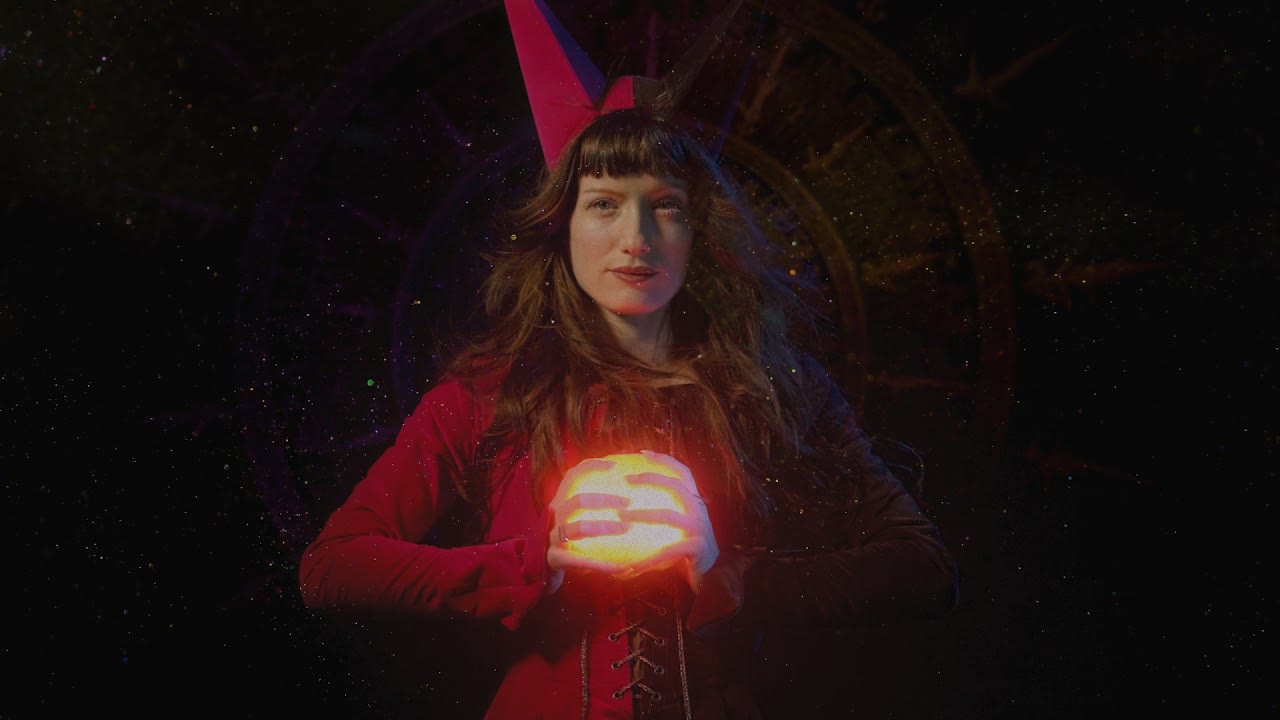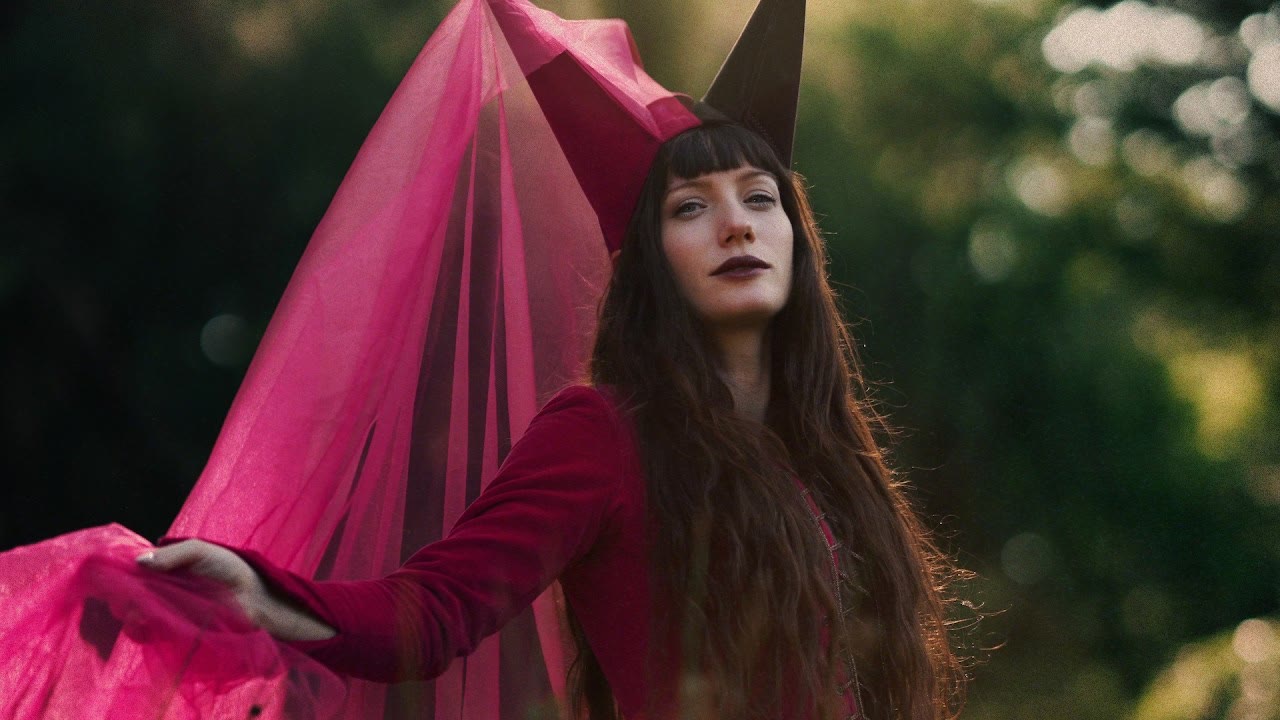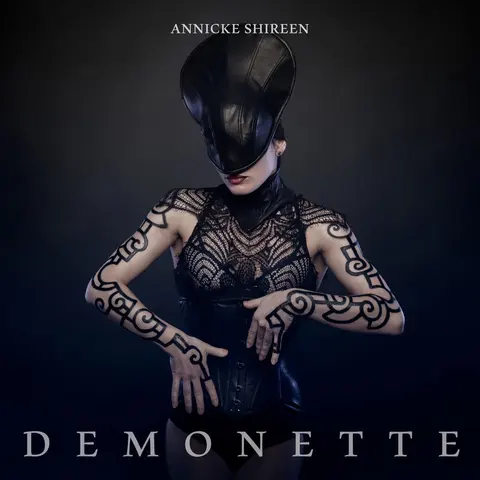
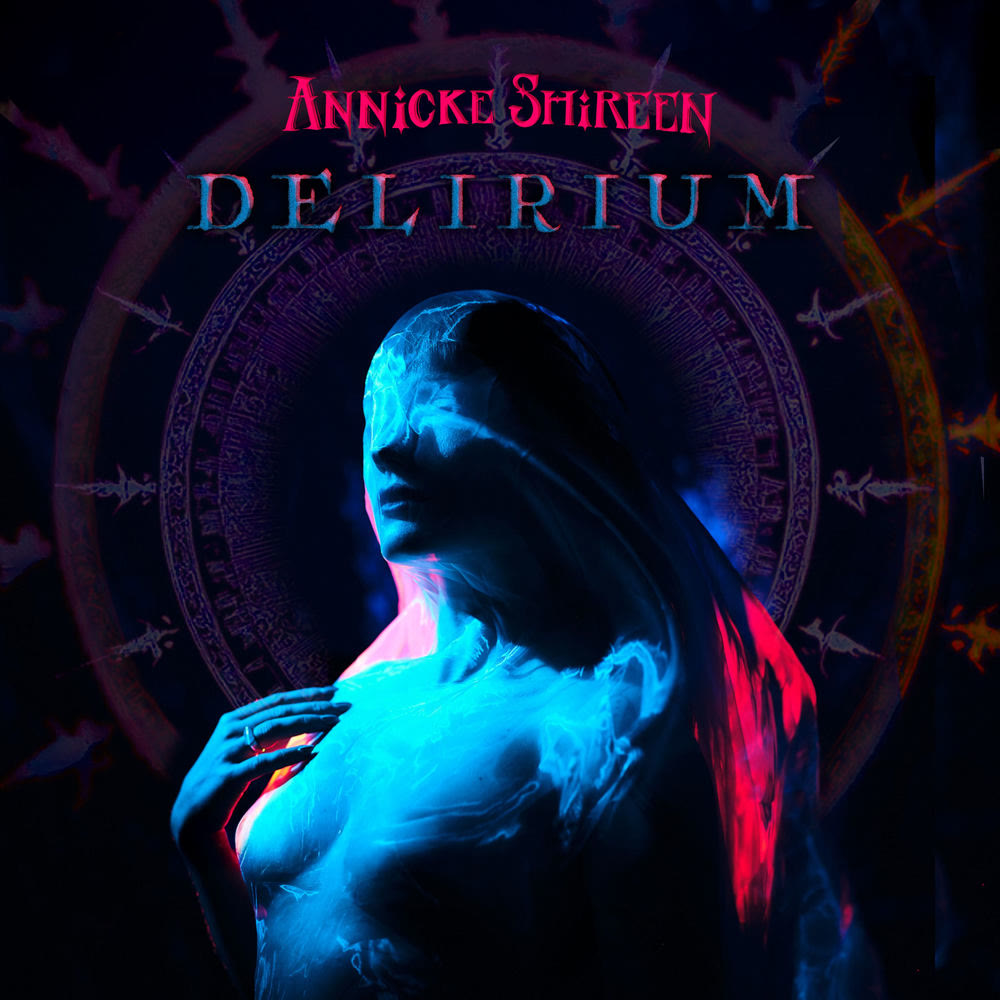
Best known for fronting Dutch witch-rock outfit SHIREEN and her work with Heilung and Pure Reason Revolution, Shireen has spent years moving between musical worlds. Her first full-length solo album, “DELIRIUM”, brings those experiences together into ten tracks that refuse to settle comfortably into any single genre.
Alternative rock, progressive metal, ethereal folk, dream pop and electronic textures coexist in a record whose musical identity is held together by one remarkable instrument: Shireen’s voice.
But “DELIRIUM” is about considerably more than musical versatility. It’s an exploration of neurodiversity, feminine rage, emotional survival, relationships and the exhausting human desire to belong. Its central question is both simple and unsettling: what if the parts of ourselves we’ve spent years trying to correct are precisely the parts worth preserving?
Between fragility and fury
Opening track “Paper Skin Rite” wastes little time establishing the album’s defining musical characteristic: contrast.
At nearly five minutes, it’s the longest composition on the record, moving between delicate, almost vulnerable vocal passages and imposing full-band arrangements. Guitars and drums build considerable weight, only to retreat and leave Shireen’s voice exposed before returning with renewed force.
Those sudden shifts between intimacy and aggression reveal the progressive-rock influence beneath the music’s more accessible surface. They also demonstrate an understanding of dynamics that goes beyond simply alternating quiet verses with loud choruses.
Shireen’s vocals are the decisive element. Ethereal one moment and commanding the next, they possess an unusual ability to make fragility and strength feel like two expressions of the same emotion.
“Heresy” follows with considerably less restraint. Driven by distorted guitars, forceful drumming and an assertive vocal performance, it delivers one of the album’s most immediate encounters with its heavier identity.
The subject matter is equally uncompromising. The song examines relationships in which devotion becomes a form of self-destruction, connecting emotional suffering with shame inherited across generations.
There’s a bitter irony in its title. Love, something we’ve been conditioned to regard as sacred, becomes an act of heresy when maintaining it requires abandoning ourselves.
These opening tracks establish expectations of a predominantly heavy record. But Shireen has other intentions.
Shifting outward
“Come to Light” introduces the album’s more expansive, cinematic character.
Its atmospheric alternative-rock foundation is enriched by spacious, Celtic-influenced vocal harmonies, with arrangements that recall the ethereal qualities of Enya while retaining a distinctly rock-oriented backbone. The composition builds toward a dramatic key change and a soaring guitar solo, providing an instrumental climax worthy of its ambitious themes.
Lyrically, the song turns outward, confronting war, environmental destruction and humanity’s apparent inability to learn from its mistakes.
The contrast between the beautiful vocal arrangements and the disturbing subject matter is striking. Rather than translating outrage directly into aggression, Shireen gives it an almost spiritual dimension, suggesting that beauty and anger need not be opposing forces.
“False Gods ↗” takes an entirely different approach.
Built around a prominent bass-and-drums groove, the song ventures into surprisingly accessible, almost pop-leaning ground. Its rhythmic foundation gives it an infectious energy, while layered vocals and subtle instrumental details, including flute, contribute to the arrangement’s distinctive character.
The verses sit in D minor before shifting to D major in the chorus.
That shift mirrors the song’s central contradiction: the cynical realization that personal growth doesn’t necessarily make the surrounding world any healthier, expressed through music that sounds increasingly optimistic.
The major-key brightness doesn’t erase the frustration beneath it; instead, the contrast becomes part of the song’s personality.
Throughout these first four tracks, “DELIRIUM” reveals its musical ambition. The shifts between progressive rock, atmospheric metal, folk textures and melodic accessibility aren’t simply exercises in genre-hopping. They establish different emotional environments for the ideas Shireen wants to explore.
The weight of what we feel
The middle of the album moves into more personal subjects.
“How to Cure a Feeling” questions our modern obsession with eliminating discomfort. In a culture increasingly preoccupied with happiness, emotional optimization and self-improvement, Shireen challenges the assumption that difficult emotions are necessarily problems requiring solutions.
It’s one of the album’s more perceptive themes, exploring the distinction between genuine healing and simply learning to suppress the emotions other people find inconvenient.
“Not Your Mother” brings that discussion into the complicated world of romantic relationships.
Built around an insistent, memorable chorus, the song rejects the expectation that one partner must become responsible for managing the other’s unresolved emotional wounds. Its melodic repetition reinforces the central message, making the refusal itself the song’s defining musical hook.
Then comes “Loud Hag”, a welcome return to the album’s heavier instincts.
Combining muscular guitar riffs with soaring, multilayered female vocals, the track transforms an insult historically directed at outspoken women into a declaration of independence.
It’s the most openly confrontational expression of Shireen’s belief that feminine anger need not be softened or made acceptable for the comfort of others.
The interplay between heavy instrumentation and clean vocal harmonies is especially appropriate here. The music refuses the idea that femininity and aggression must exist in separate worlds.
Yet “Loud Hag” also highlights one of “DELIRIUM”’s few limitations.
The album’s lyrical messages are frequently powerful, but the imagery can occasionally lean toward familiar tropes: witches, storms, darkness, awakening and rebellion. These metaphors are deeply embedded in the vocabulary of alternative and female-fronted metal, and their repetition sometimes makes the writing less surprising than the ideas behind it.
Musically, too, the record doesn’t always sustain the dramatic intensity established by its opening tracks. The more restrained arrangements possess considerable beauty, but there are moments when sharper contrasts or a greater willingness to disrupt the melodic flow might have added more bite to the material.
The search for belonging
The final three tracks change the emotional direction of the album.
“To Belong”, featuring Hungarian singer Eszter Anna Baumann, moves away from the guitar-driven approach toward a hazier, lo-fi atmosphere, supported by a programmed rhythmic pulse and intertwining vocal lines.
The two singers create a sense of intimacy and connection that complements the song’s central question: must we change ourselves to belong, or is genuine belonging only possible when we stop trying to fit in?
Its abrupt ending avoids an easy sense of resolution, allowing that question to linger.
“The Circle” responds by expanding the individual search for acceptance into something communal.
Gospel-inspired call-and-response vocals, handclaps and prominent synthesizer arrangements bring an almost celebratory character to the music. Additional contributions from Kati Rán, Eszter Anna Baumann and Simone Guijt turn the song into a collective expression rather than a solitary declaration.
Its theatrical, indie-pop sensibility recalls Florence + The Machine, although Shireen’s layered harmonies retain their own distinctive atmosphere.
The result is one of the album’s most stylistically adventurous moments, demonstrating that the record’s sense of liberation can be expressed through communal joy as effectively as through distorted guitars.
And then, after all the anger, confrontation, pain and resistance, comes “Queendom”.
It’s a beautifully conceived choice of closing statement.
Rather than ending with another enormous chorus or a triumphant wall of sound, Shireen strips the music back to a gentle acoustic setting. The emphasis moves away from external conflict toward inner peace.
The album that began with a fragile identity in “Paper Skin Rite” concludes with the possibility of finally feeling at home within oneself.
There’s no grand enemy to defeat, no institution to overthrow, no audience whose approval must be won.
The kingdom in question is internal.
In a record so preoccupied with the limitations imposed by society, that feels like a meaningful destination.
A voice that holds it all together
Shireen’s vocal arrangements give “DELIRIUM” much of its individuality. Her theatrical expressiveness recalls Kate Bush, but the interplay of intimate delivery, ethereal harmonies and forceful passages creates an identity of its own.
Shireen frequently approaches vocal production as an orchestral instrument, building textures from overlapping harmonies, countermelodies and contrasting performances. On songs such as “False Gods” and “The Circle”, the voices become part of the arrangement’s architecture rather than simply melodies placed above the instruments.
The production, developed with Jos Driessen, generally favors clarity, atmosphere and melodic detail over relentless heaviness. Guitars provide weight when required, drums and bass establish compelling rhythmic foundations, and synthesizers give the music its dreamlike character.
The verdict: a revolution that begins within
“DELIRIUM” is an ambitious, emotionally substantial and musically versatile solo debut that shows what Annicke Shireen brings to a full-length release with Dryland Records.
Its greatest achievements lie in its expressive vocal arrangements, thoughtful musical contrasts and willingness to explore difficult subjects without reducing everything to anger or despair.
Not every experiment is equally successful. Some lyrical imagery feels overly familiar, and the middle sections occasionally sacrifice dramatic tension in favor of melodic accessibility. The album’s rebellious spirit could arguably have benefited from a few more moments of genuine musical risk.
Standout tracks: “Paper Skin Rite”, “False Gods”, “Loud Hag”
For fans of: Chelsea Wolfe, Florence + The Machine, Wolf Alice, Kate Bush and atmospheric alternative rock with progressive and folk influences.
Listen to the album: https://annickeshireen.bandcamp.com/album/delirium