The compromise that changed everything
Before Evanescence became one of the defining heavy bands of the 21st century, before Amy Lee’s voice became a place of refuge for millions of listeners, there was a room full of executives trying to solve a problem that existed mostly in their own imagination.
The problem, as Lee has recalled it, was that Evanescence were a rock band led by a woman.
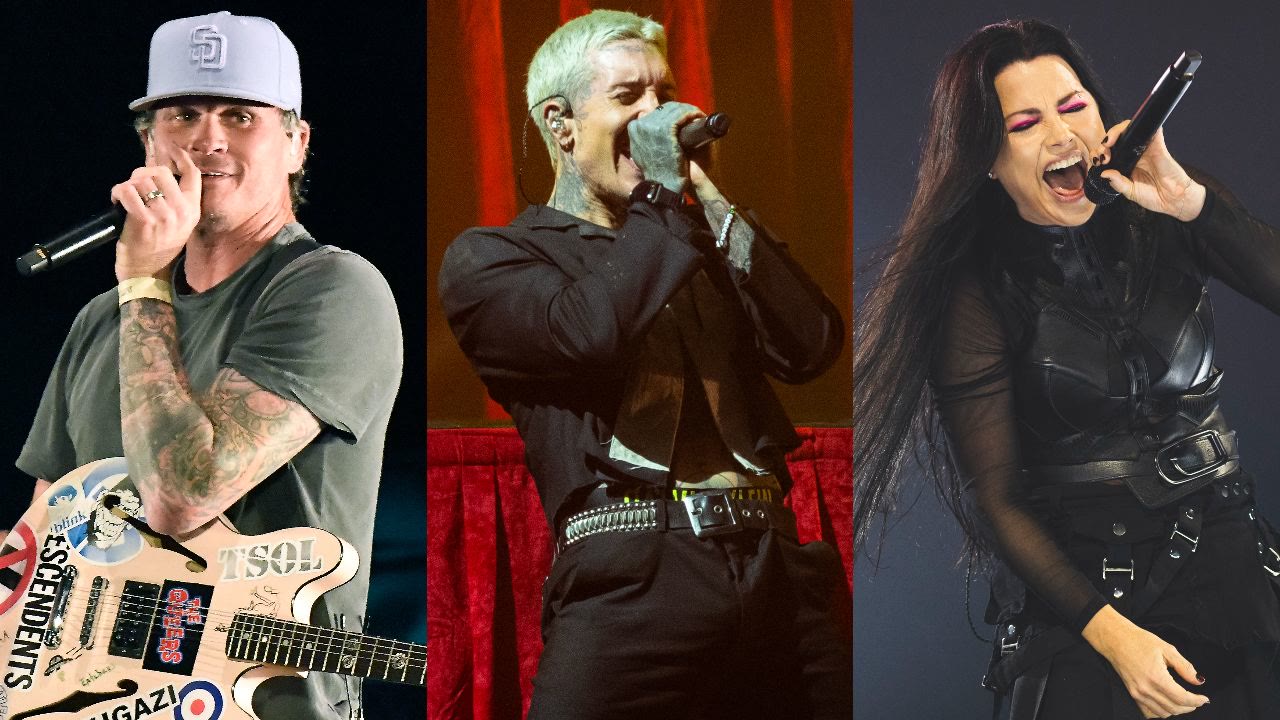
Wind-up Records reportedly feared that a female-fronted heavy band would not be sufficiently accessible to mainstream radio. The label pushed for a male voice on “Bring Me to Life ↗,” insisting that the song needed an additional vocalist to make it more commercially palatable. In the end, the compromise was Paul McCoy, singer of the then-little-known Christian rock band 12 Stones.
The familiar version of the story has often been reduced to a piece of early-2000s nu-metal trivia: Paul McCoy enters, shouts “Wake me up,” and the song becomes a global phenomenon. Underneath that trivia sits the real tension: a young woman being told that her own voice, standing alone, might not be enough.
Lee has been candid about the pressure. In a 2021 interview, she said the label threatened not to release Evanescence’s debut album, “Fallen”, unless the band added a male voice to the lead single. She has also described the rap as “a concession” made while the label was trying to find a place for the band in a radio landscape dominated by male-led rock and rap-rock acts.
Adding the rap wasn’t what I wanted, but I did get to write it, and it didn’t ruin us like I was worried it would.
- Amy Lee, Evanescence vocalist
That sentence contains the whole emotional contradiction. Lee was protecting the identity of a band whose music had never depended on a male counterpart to validate it, without rejecting Paul McCoy as a person or denying the chemistry of the finished recording.
“Bring Me to Life” began with Lee’s piano, lyrics and melody. Its emotional origin was a conversation with Josh Hartzler, the man who would later become her husband, after he asked her a simple and devastating question: “Are you happy?” Lee has described herself at the time as being trapped in an abusive relationship and trying to hide it behind a performance of happiness.
The song was therefore already about awakening, with its central drama focused on a woman beginning to see herself clearly.
The record company’s intervention altered the song’s surface, while leaving its emotional core untouched. Lee wrote McCoy’s part, and McCoy, by her later account, approached the session with generosity and enthusiasm. In 2026, she went further, calling him a “hero” in the recording process because he helped make an uncomfortable compromise as positive as it could be. As Lee explained, Paul being so sweet, understanding, excited for them and pouring his heart into it remained part of the experience, even though the decision itself had never been hers.
Paul being so sweet and understanding and excited for us and pouring his heart into it.
- Amy Lee, Evanescence vocalist
The antagonist in this story was the assumption that Evanescence needed him.
The song that nearly defined them
The gamble worked beyond anyone’s expectations. “Bring Me to Life” appeared on the “Daredevil” soundtrack before becoming Evanescence’s breakthrough single. It reached No. 1 in several countries, sent the band from clubs to arenas within months and helped propel “Fallen” into the cultural centre of the early 2000s.
The scale of the success created its own danger. Lee has said that she feared Evanescence would become a one-hit wonder because “Bring Me to Life” sounded different from much of the rest of “Fallen”. She worried that listeners would feel misled when they encountered the album’s piano-led melancholy, gothic atmosphere and symphonic heaviness.
The concern was not unfounded. For many casual listeners, the band’s identity became fused with the duet: Lee’s soaring mezzo-soprano, McCoy’s urgent interjections, the cinematic piano, the programmed textures and the commercial vocabulary of the nu-metal era.
But Evanescence had already made a different record.
The band’s history began long before the single, with Lee and guitarist Ben Moody writing together in Little Rock, Arkansas. Some of the earliest songs, including “My Immortal ↗,” “Imaginary” and “Whisper,” eventually found their way onto “Fallen”. Lee has described those early years as a period of private experimentation, when Evanescence was formed in bedrooms and small local venues rather than in the machinery of the mainstream music business.
The label’s attempt to reshape “Bring Me to Life” represented a collision between an established creative world and an industry eager to package that world in familiar terms.
The band made approximately ten demos of “Bring Me to Life,” changed the opening synthesizer part into the now-iconic piano texture and fought to include real strings arranged by David Campbell rather than a cheaper synthetic alternative. Those details reveal how much of Evanescence’s identity was being negotiated in the studio: the drama, the orchestration, the darkness and the refusal to flatten rock music into a convenient formula.
“Going Under”: the first answer
The first real answer came with “Going Under ↗.”
Lee has said she wanted the song to be Evanescence’s first single because it was strong, empowered and among the more recent material the band had written. Instead, the label chose “Bring Me to Life.” “Going Under” eventually arrived as the follow-up, and its impact was crucial: it showed that Evanescence could command attention without a male rapper standing beside Lee.
Where “Bring Me to Life” dramatized awakening, “Going Under” sounded like the moment after awakening, when the person who has survived the illusion begins to confront the damage.
The song’s heavy guitars, pounding rhythm and Lee’s increasingly ferocious delivery offered a clearer picture of the band’s centre of gravity: a woman leading a band through emotional violence and emerging with her voice intact.
For fans, “Going Under” became proof that the group did not need to repeat the formula that had made them famous. It also helped establish the emotional pattern that would continue through Evanescence’s career: vulnerability never presented as weakness, pain transformed into scale, and a vocal performance that could move from a near-whisper to a full-body scream without losing its humanity.
“My Immortal” and the weight of history
Then came “My Immortal,” a song written years before Evanescence became a major-label band. Its piano, strings and restrained arrangement exposed another dimension of Lee’s artistry: the ability to make stillness feel as powerful as distortion.
The song’s history is complicated. Lee and Moody wrote it in their teenage years, and David Hodges was also credited on the “Fallen” version. Lee has later spoken about feeling less connected to the recording because she did not write its lyrics, even while recognizing how deeply it belongs to the band’s history with its fans.
That tension is central to understanding Evanescence’s evolution. “My Immortal” became one of the band’s most beloved songs, yet Lee’s relationship with it has never been entirely simple. The song’s public meaning expanded beyond its original conception, becoming attached to grief, separation and the private losses listeners carried into it.
Years later, Evanescence revisited “My Immortal” through the orchestral project “Synthesis”. Lee described that reworking as an opportunity to return to the song and make a version she loved more. In that act of revision, the band did not reject its past. It reclaimed it.
The distinction is important: artistic control does not always mean erasing what came before. Sometimes it means being allowed to look back and say, “This is what it meant to me then. This is what it means now.”
“Call Me When You’re Sober”: the end of hiding
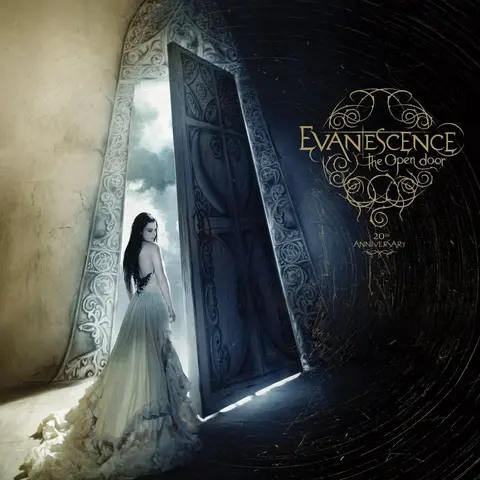
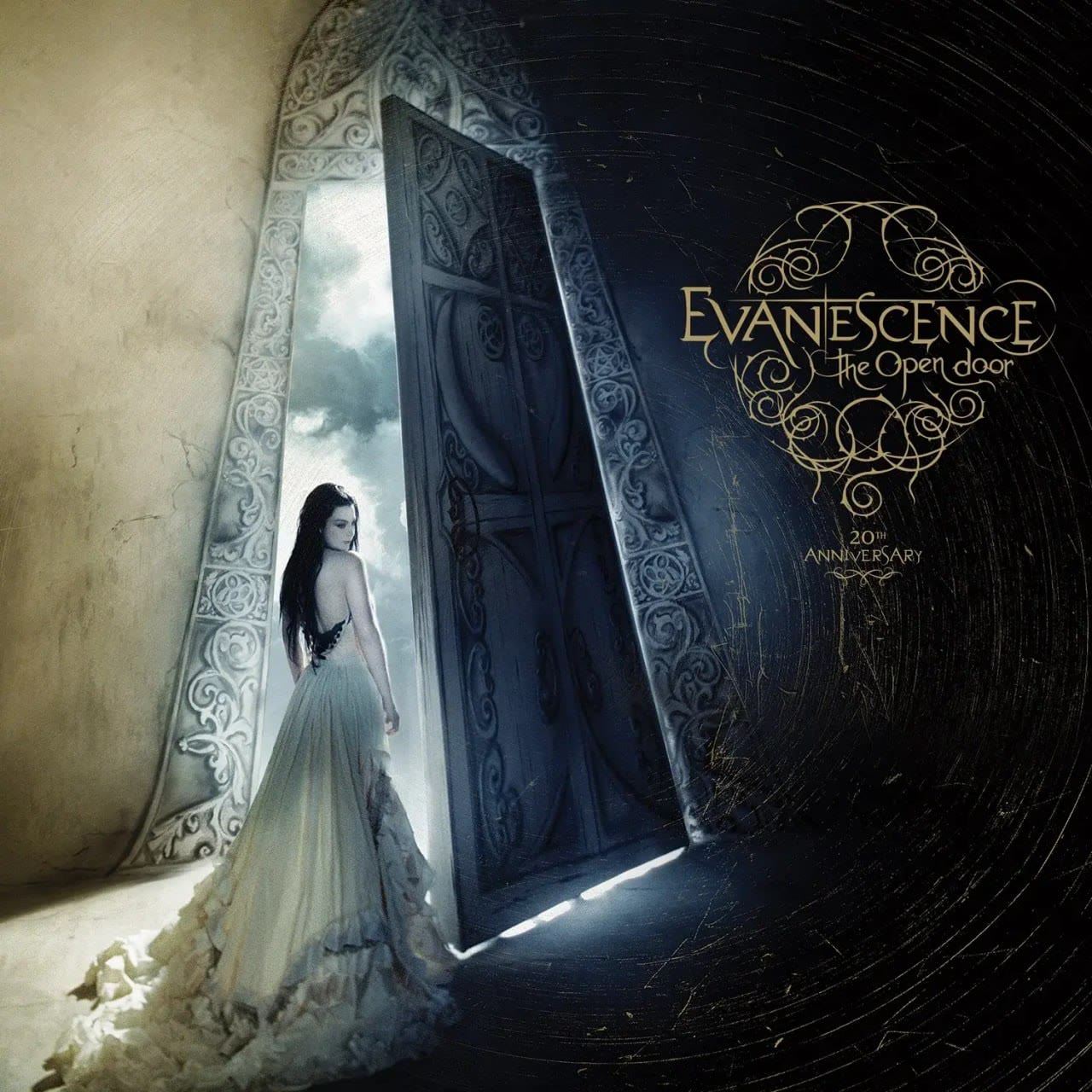
By the time Evanescence released “The Open Door” in 2006, Lee had greater control over the band’s direction. The album was more adventurous, more atmospheric and more personal. The official Evanescence timeline describes it as a record shaped by Lee’s full creative control, while Lee herself has contrasted its sense of strength with the pain that dominated “Fallen”.
Its first single, “Call Me When You’re Sober ↗,” was deliberately direct. Written with guitarist Terry Balsamo, the song addressed Lee’s former relationship with Seether singer Shaun Morgan. Lee later said that the difference between the song and earlier work was its lack of metaphor. She had given herself permission to say what she meant.
I give myself licence to say anything and everything in the music, as long as it’s honest.
- Amy Lee, Evanescence vocalist
The line could serve as a manifesto for the whole post-“Fallen” period.
“Call Me When You’re Sober” acted as a public declaration of boundaries. The title itself turns refusal into rhythm: not now, not like this, not while you are unable to meet me honestly.
That was the emotional continuation of “Bring Me to Life.” The earlier song asked to be awakened. “Call Me When You’re Sober” insisted that awakening had consequences.
“What You Want” and choosing the life
When Evanescence returned with its self-titled third album in 2011, the band had survived lineup changes, long recording delays and the pressure of following a phenomenon. “What You Want ↗” announced the return with a different kind of force.
The song was written by Lee with Terry Balsamo, Tim McCord, Will Hunt and Troy McLawhorn, and it became a statement about movement, freedom and choosing the life one is meant to live. Lee has explained that the song emerged from the process of returning to music and reconnecting with the part of herself that needed to create.
Its famous refrain sounds almost deceptively simple: do what you want. But within Evanescence’s history, the command carries accumulated weight. It is the opposite of being told what the band must sound like. It is the opposite of accepting someone else’s definition of marketability. It is the voice of an artist refusing to confuse compromise with surrender.
Lee has spoken about spending years fighting for credibility, particularly against men who wanted to write songs for her or place their own collaborators inside Evanescence’s creative process. She has described being treated like a child and having to fight for everything she wanted.
“What You Want” therefore functions as both a song and a boundary line. Evanescence were no longer asking permission to exist on their own terms.
From survival to Sanctuary
That long struggle makes the band’s 2026 resurgence feel more meaningful than a nostalgia cycle.
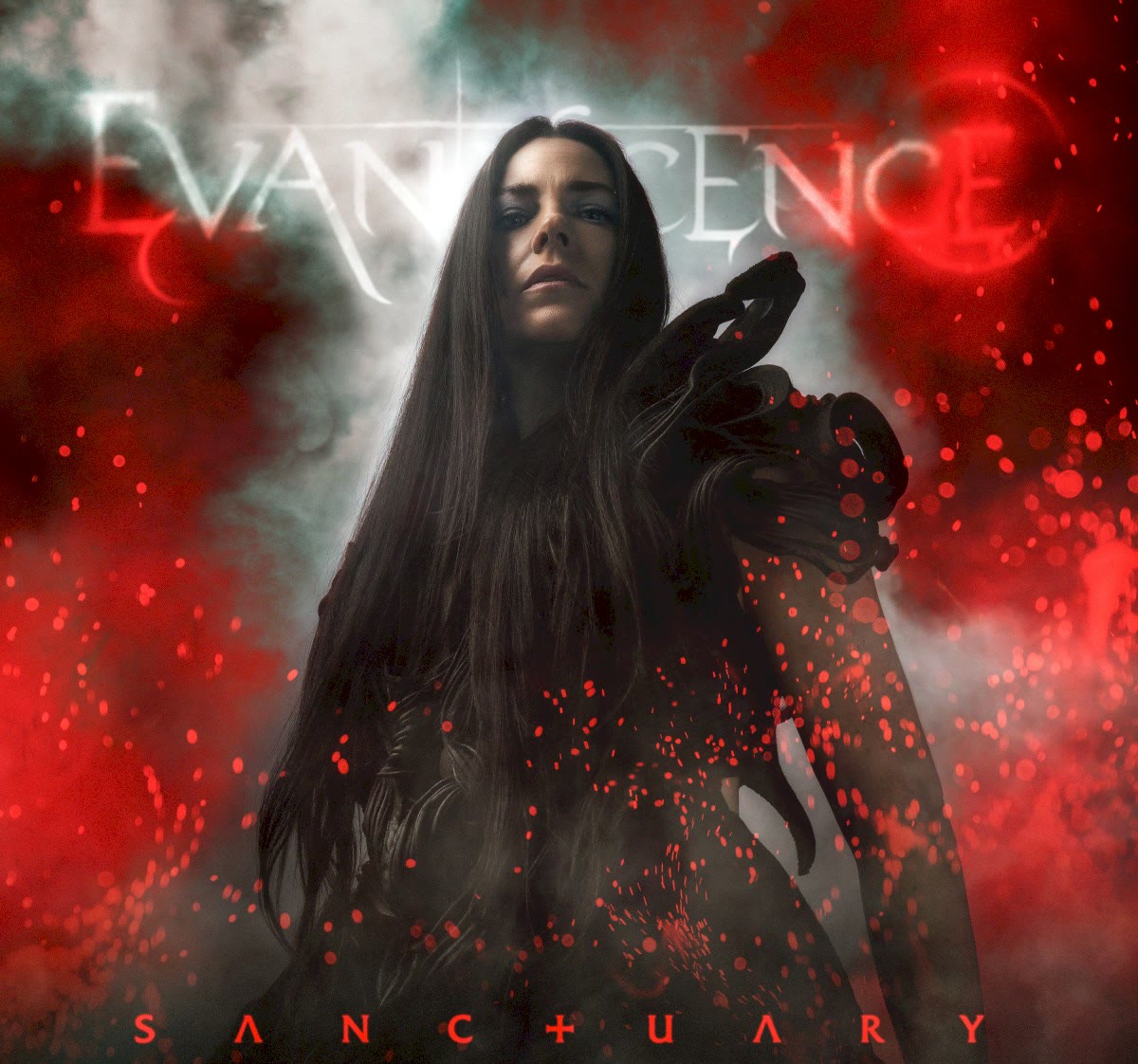
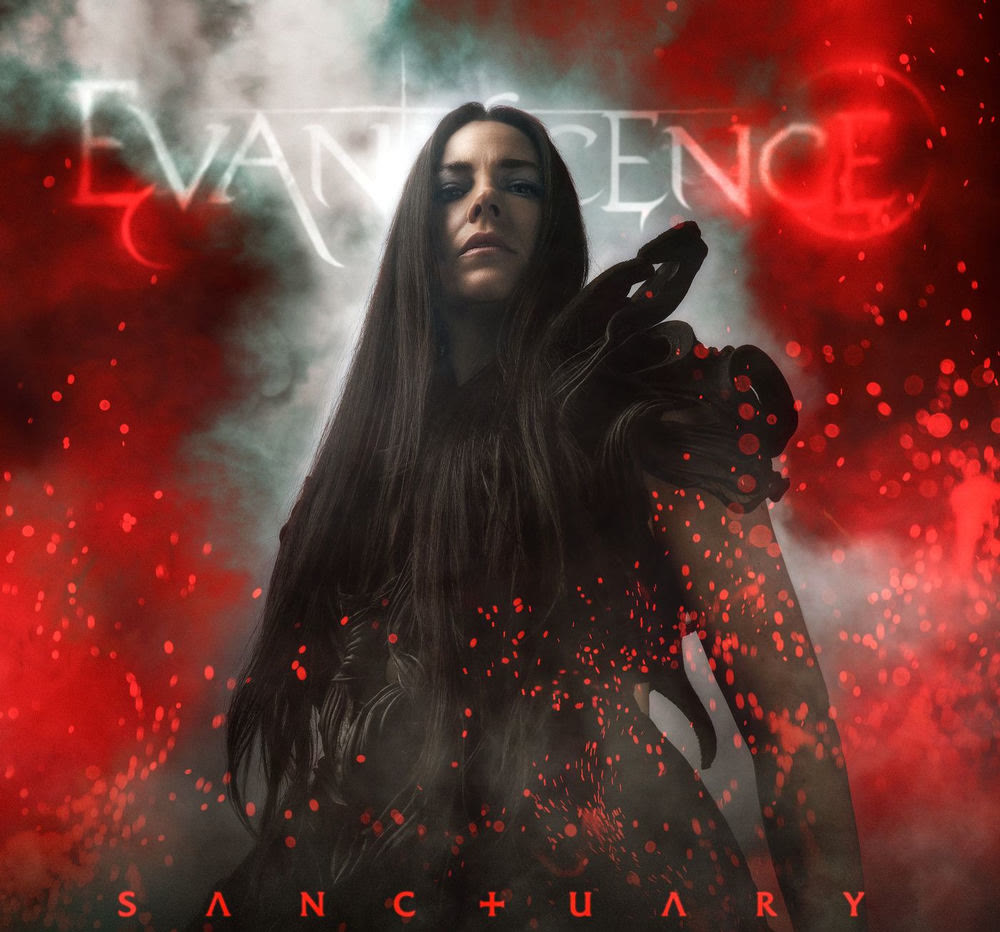
“Bring Me to Life” received an 11-times-platinum certification in the United States in June 2026, surpassing diamond status. At the same time, Evanescence released “Sanctuary”, their first album in five years, and returned to the road with a large-scale world tour.
The commercial achievement is remarkable, but the more significant development is emotional. Evanescence are no longer trying to prove that they are more than one song. They are inhabiting the full arc of their history: the compromise, the anger, the grief, the orchestration, the heaviness and the recovery.
Lee has described concerts as a sanctuary: a place where people can confront what has happened to them and process it together. The album’s title came from that feeling onstage, where a crowd becomes more than an audience and the music becomes a shared act of recognition.
The record’s themes extend from political disillusionment to private grief. “Beautiful Lie ↗” confronts propaganda and denial. “Tell Me When You’ve Had Enough ↗” carries the language of resistance. “How Do I Heal ↗” reaches toward the losses that have shaped Lee’s life, including the deaths of her sister in childhood and her brother Robby in 2018.
Lee’s response to those losses is neither sentimental nor detached. She speaks about music as a way of holding onto humanity, community and the possibility that people can still recognize one another through art. She has also emphasized the importance of surrounding Evanescence with other women artists, describing the building of that community as something she did not have in the band’s early years.
That is where the story comes full circle.
In 2003, an industry built around male expectations tried to add a man to Evanescence’s defining song because executives doubted that a woman’s voice could carry the weight alone. In 2026, Lee is using that voice to gather people rather than satisfy gatekeepers.
The healing is collective now. It belongs to the band, to the musicians who share the stage with them, and to the fans who have carried these songs through their own private catastrophes. Paul McCoy’s vocal remains part of “Bring Me to Life,” and Lee has made peace with the song’s unexpected history. But Evanescence’s identity was never contained in that duet.
It was always in the piano beneath it. In the strings Lee fought to keep. In the guitar that answered her. In the songs that followed and clarified who they were.
“Going Under” gave the band its teeth. “My Immortal” gave them a wound that listeners could inhabit. “Call Me When You’re Sober” gave Lee the language of boundaries. “What You Want” gave her the language of choice.
And “Sanctuary” gives Evanescence a place to stand, not untouched by the past, but finally in command of what that past means.