The sound of a door opening
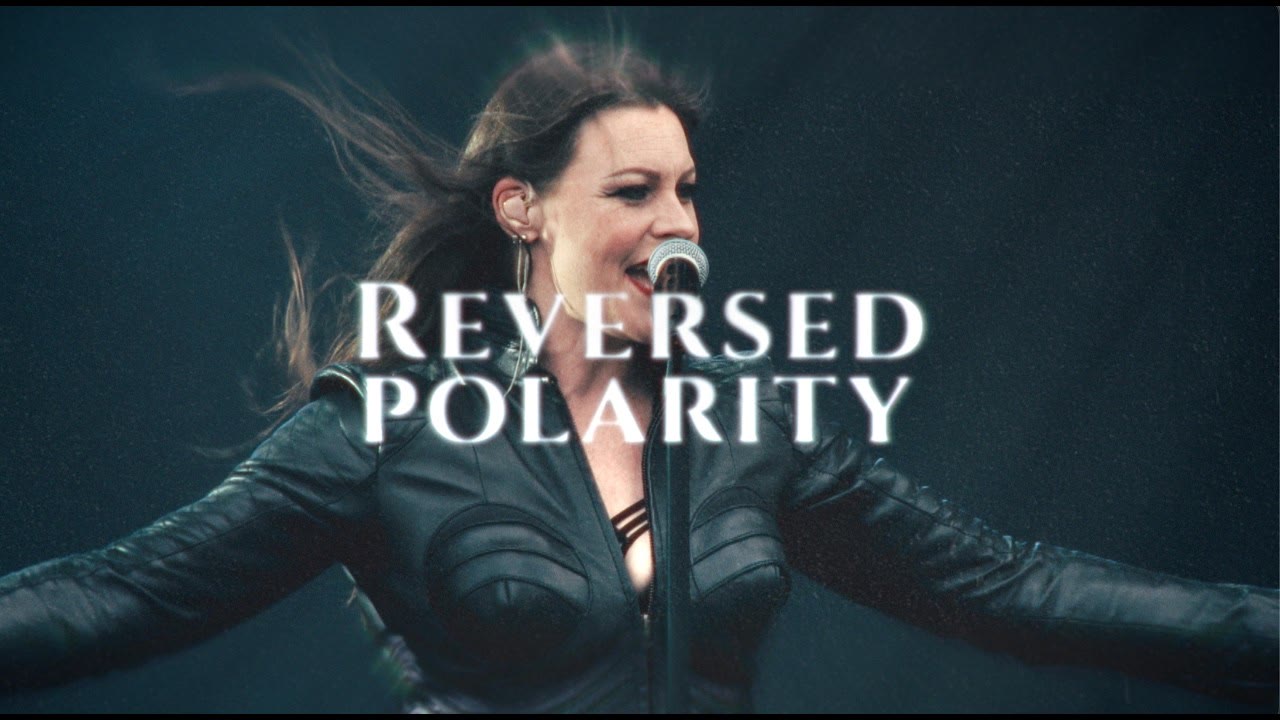
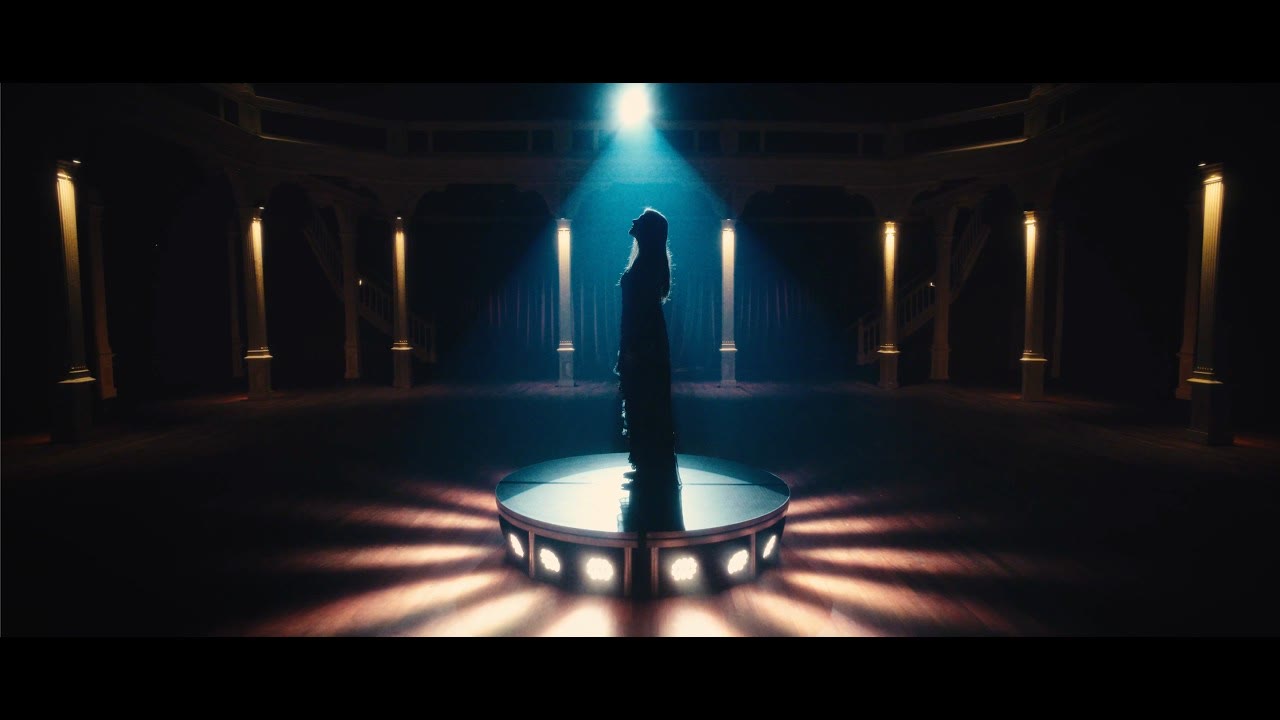
There is a moment in “Run ↗” when Floor Jansen seems to step out of the architecture built around her.
The song is direct, muscular and restless. Its guitars do not arrive beneath her as scenery; they move with her. Her voice still possesses the scale that made her one of symphonic metal’s defining singers, but the performance is less about occupying a vast fantasy world than about refusing to remain inside somebody else’s shape.
Jansen has described “Run” as a song about no longer making yourself smaller to fit a form that was never yours. It is an unusually revealing statement from a vocalist who has spent much of her adult life singing inside powerful collective identities: first After Forever, then ReVamp, then Nightwish.
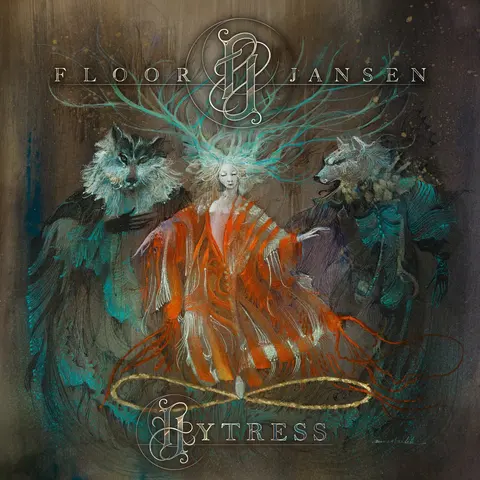
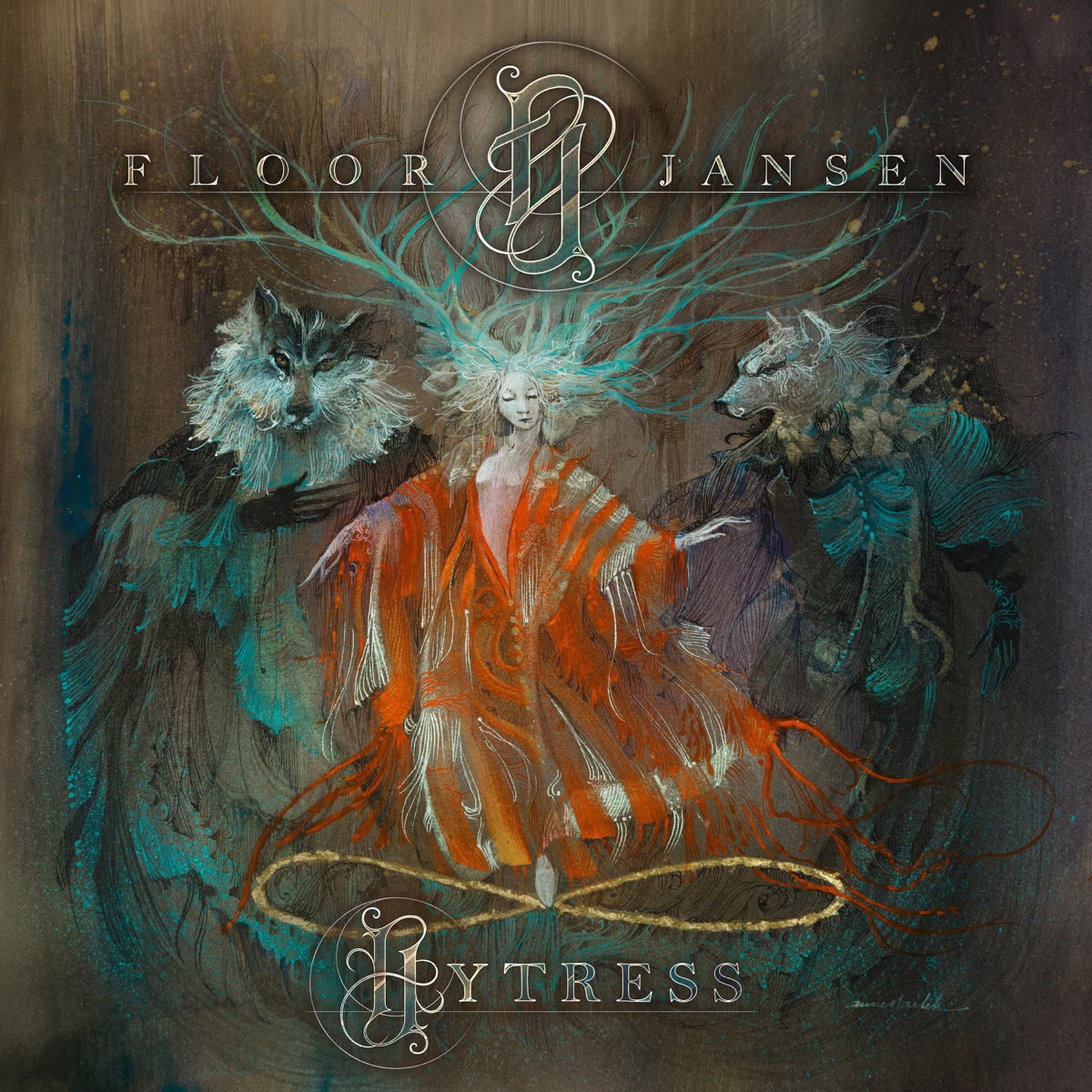
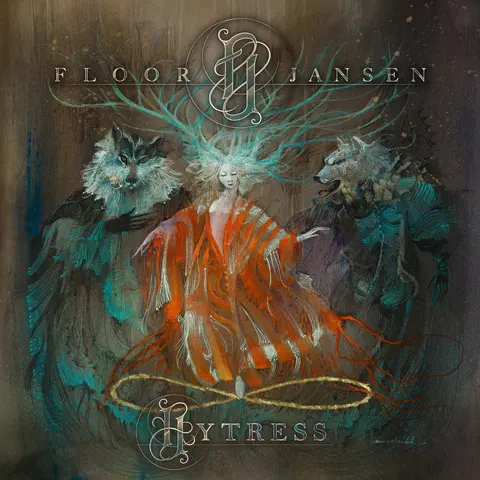
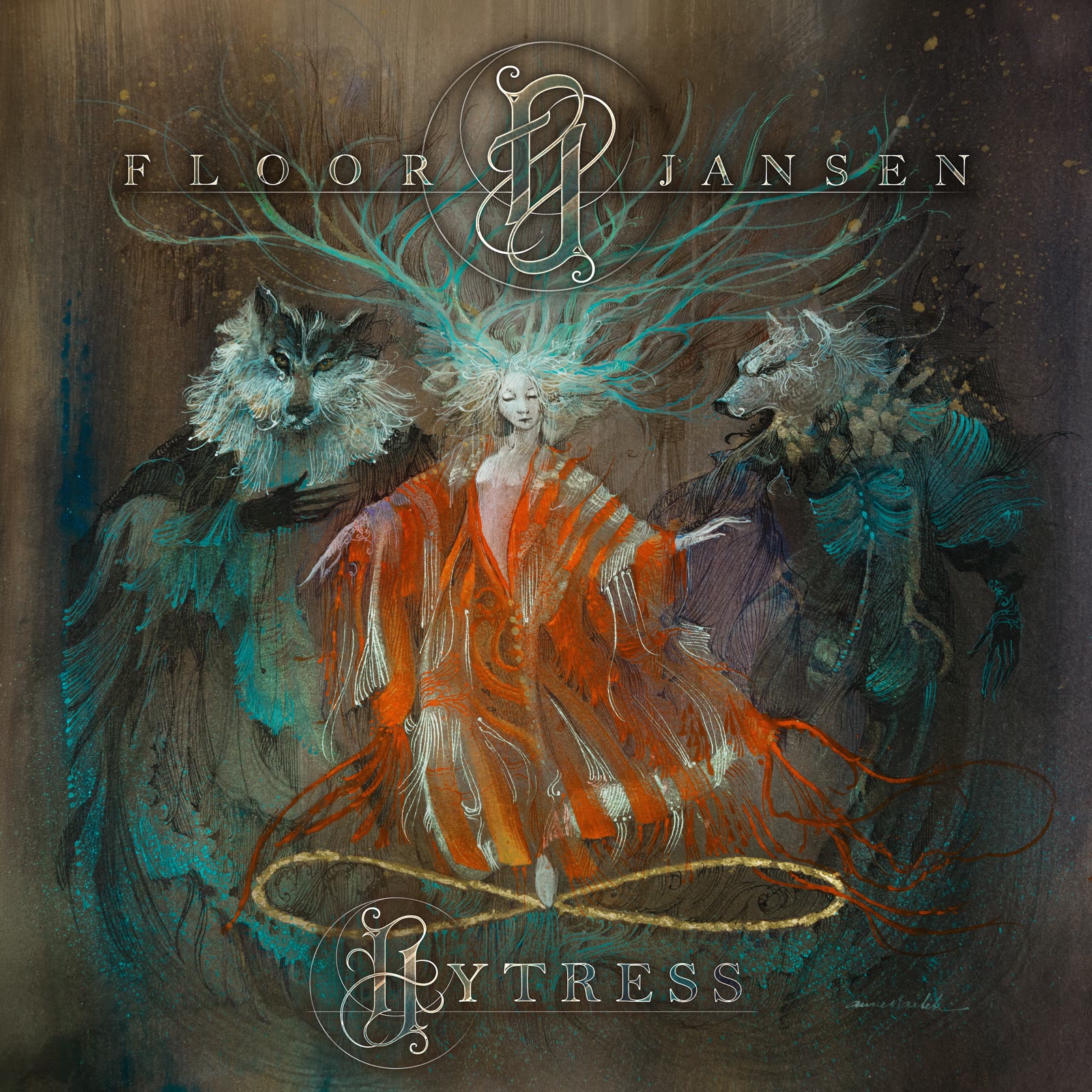
Now, as she prepares to release “Hytress” on January 15, 2027, Jansen is entering the most self-defining period of her career. The album follows her 2023 solo debut “Paragon ↗”, moving past that record’s pop-rock openness. Its first three singles, “Run,” “Bring Me Silence ↗” and “Everything Is Moving On ↗”, signal a sharper, heavier and more compact direction, one that reconnects her with metal on her own terms.
Jansen is learning what happens when the machine is hers.
Before the spotlight, there was a teenager in a musical
Floor Jansen’s story began with performance itself. When she was around thirteen or fourteen, she took part in a high-school production of “Joseph And The Amazing Technicolor Dreamcoat”. She shared the role of the narrator with two other girls, and the experience made something clear: she wanted to perform.
That early moment says a lot in retrospect. Jansen’s voice has always carried a theatrical instinct, both in its power and in its ability to inhabit emotional scale. She can sing with the physical force of a metal vocalist, yet she also understands drama: how a phrase should rise, how a word should be held back, how silence can make the next note feel larger.
She came of age in the Dutch metal scene and joined the band that would become After Forever at sixteen. The group’s early work placed her inside the emerging European gothic and symphonic metal movement, while giving her a songwriting education in public. “Prison Of Desire”, the band’s first album, remains a formative document precisely because Jansen can now hear how young they were when they made it. As she later recalled, she was 18 when they recorded it and knew almost nothing about writing, recording or singing yet:
I was 18 when I recorded it, so we didn’t know anything about writing, about recording, about singing. But your first is your first. And that makes it very, very special.
- Floor Jansen, vocalist
That mixture of embarrassment and tenderness is central to Jansen’s character. She has never pretended that growth happens cleanly. Her earliest work matters because it contains the person she was before technique, fame and expectation became inseparable from her name.
After Forever became increasingly ambitious, combining progressive structures, heavy guitars, orchestration and contrasting vocal approaches. When the band entered a period of uncertainty and eventually ended, Jansen created ReVamp, a project that allowed her to write and steer the music herself. Later, she also developed Northward with Pagan’s Mind guitarist Jørn Viggo Lofstad, exploring a more straightforward hard-rock language. Those projects established a part of Jansen’s identity that could be obscured by Nightwish: she had been a songwriter and musical decision-maker long before becoming the voice of one of metal’s most celebrated bands.
The Nightwish years were extraordinary, and not entirely hers
Jansen joined Nightwish during the “Imaginaerum” touring cycle in 2012, initially as a replacement for Anette Olzon. She became a permanent member the following year and recorded three studio albums with the band: “Endless Forms Most Beautiful” in 2015, “Human. :II: Nature.” in 2020 and “Yesterwynde” in 2024.
For many listeners, those years represented the full arrival of Jansen’s voice. She could move from a clean, almost conversational intimacy to a metallic roar, from operatic resonance to a rough-edged belt, without sounding as if she were choosing between separate singers. Onstage, she became the human centre of a band built around monumental arrangements and elaborate conceptual worlds.
Songwriting inside Nightwish, however, centred on keyboardist Tuomas Holopainen as principal composer. Jansen explained in a 2024 interview how that division of labour worked:
I don’t write in Nightwish. I did that in my previous bands and I have a solo career next to Nightwish where I do write.
- Floor Jansen, vocalist
There is no resentment in that observation. Jansen has repeatedly acknowledged the special nature of Nightwish’s music and the extraordinary freedom Holopainen’s compositions gave the band. She also understood that the experience was unusual in her own career. The Nightwish period was the era in which she became the most visible member of a world-renowned band while having the least control over the underlying compositions.
That tension is the emotional foundation of “Hytress”.
A body forced her to reconsider time
The past several years have placed Jansen’s artistic life beside the most intimate realities of being human. In 2022, she announced that she had breast cancer. She later shared that surgery had removed the cancer and that it had not spread.
Then came pregnancy and the birth of her second daughter, Lucy, in 2023. These events changed her relationship with work, energy and the future. During the making of “Yesterwynde”, Jansen was pregnant, recovering from cancer and caring for a young family. She described herself as exhausted and acknowledged that she was less present during the recording process than she had been on previous Nightwish albums.
I was pregnant, and before that there was the cancer, and then I had my baby and I was just really, really fucking tired.
- Floor Jansen, vocalist
The sentence is blunt and free of self-pity. Jansen has never presented motherhood or illness as a melodramatic explanation for her choices. Instead, she has described the collision of those experiences with the honesty of someone whose body finally refused to be treated as an infinite resource.
Nightwish had already announced a live hiatus in 2023. Jansen said at the time that the decision was collectively supported, although she would have preferred to continue performing. A world tour, she pointed out, requires every member to be present night after night, at full capacity.
That understanding of performance as a physical commitment is essential to reading her present. Jansen is trying to build a life in which the stage no longer consumes everything around it.
From “Paragon” to “Hytress”
The first solo chapter began before the Nightwish split. Jansen’s participation in the Dutch television programme “Beste Zangers” exposed a broader audience to her versatility, allowing her to sing outside the metal framework that had defined her public image. It also gave her permission to explore material that needed no symphonic-metal climax.
“Paragon”, released in 2023, was the result: melodic, accessible and emotionally open, with songs such as “Fire ↗” and “Me Without You ↗” presenting a different kind of strength. The album asked whether she could be heard without the armour of orchestral bombast.
She has said that “Paragon” was an experiment in discovering how her voice worked outside the huge arrangements associated with Nightwish. With “Hytress”, the experiment has become more decisive, aiming for a heavier record in her own voice:
I wanted to find a heavier, more metal sound that is 100% me, but not like Nightwish.
- Floor Jansen, vocalist
That means shorter forms, more compact songwriting and a more immediate relationship between guitar, rhythm and voice. “Bring Me Silence,” released in August 2026, is built around down-tuned guitars and layered vocals, with concentrated drama. It sounds like a woman demanding room to think.
“Run” opened the door. “Bring Me Silence” showed the weight behind it. “Everything Is Moving On,” released on October 23, arrived in the shadow of an even larger change. The title now reads almost like a statement of intent, yet its meaning reaches beyond one band or one announcement. Jansen has described the song as being about time, change and recognising when it is necessary to move forward.
Its timing made the emotional connection unavoidable: on October 15, Nightwish and Jansen announced that they had parted ways after fourteen years. The official statement called the decision mutual and necessary for both sides’ future ambitions. Jansen wrote that endings create new beginnings and that her solo career would now receive her full attention.
There is sadness in that language, paired with discipline. She leaves fourteen years intact without needing to diminish Nightwish to make space for herself.
No villain, no verdict, only a life changing shape
In a November 2026 interview with Dutch outlet NU.nl, Jansen compared the separation to the end of a relationship. People go through closeness and distance, she explained; sometimes they can no longer navigate the difficult periods together. At that point, continuing is no longer honest.
That explanation should be allowed to remain human rather than converted into another round of the familiar vocalist debate. Jansen’s career is the story of a woman who joined a band in her twenties, became a mother, faced cancer, endured the physical costs of touring and recording, and discovered that the identity she had built inside a collective could no longer contain everything she had become.
Her public image has long centred on sheer vocal scale and big symphonic stages. Away from those arenas, the picture in her interviews is far more practical: a songwriter writing compact metal riffs on her own terms, and a parent and cancer survivor reordering her schedule before time gets away from her.
The vocal power remains, of course. On “Run,” she sounds liberated by motion. On “Bring Me Silence,” she sounds steadied by restraint. On “Everything Is Moving On,” she sounds as if she has accepted that change is a series of choices made while life continues around you.
Jansen has called “Paragon” the best record she had made because it was the latest expression of everything she had learned. “Hytress” may carry a different kind of importance: the first to arrive with no larger band identity standing behind it, no inherited mythology to complete and no old argument to win.
When the “Hytress” tour begins in Antwerp on January 14, 2027, Jansen will step onto stages that are smaller than the grandest Nightwish rooms and potentially more revealing. The songs will have to hold without the old scaffolding. Her voice will not be less powerful for that. It may, finally, be more fully hers.
The sharper solo era happens when the past has done its work: when After Forever has taught you to begin, ReVamp has taught you to lead, Nightwish has taught you to fill the sky, and life has taught you that the sky is not the only place a voice can belong.