The second life of Taylor Momsen
There is a particular kind of danger in being underestimated for too long.
Taylor Momsen knows it intimately. Before she became the frontwoman of The Pretty Reckless, she was the child actor in “How the Grinch Stole Christmas”, the young face of “Gossip Girl ↗”, and, at least in the public imagination, a teenager trying to escape the role that had made her famous.
What the public could not see was the musician waiting underneath the costume.
Momsen began writing songs and playing instruments when she was around five or six. Music, she has said, gave her an outlet during an upbringing shaped by acting, travel, interrupted schooling and isolation. By the time she joined “Gossip Girl”, the character of Jenny Humphrey had begun to eclipse her own identity. The attention was no longer simply fame; it was a kind of enclosure. She wanted to keep performing while breaking free from having television writers decide her public persona.
That escape became The Pretty Reckless.
The band’s first album, “Light Me Up”, arrived in 2010, when Momsen was still young enough for skeptics to dismiss the entire project as a teenage publicity stunt. The image, black eyeliner, bare legs, smoky vocals, hard-rock theatrics, was easy for outsiders to interpret as rebellion manufactured by a former television star.
But the music kept surviving the jokes.
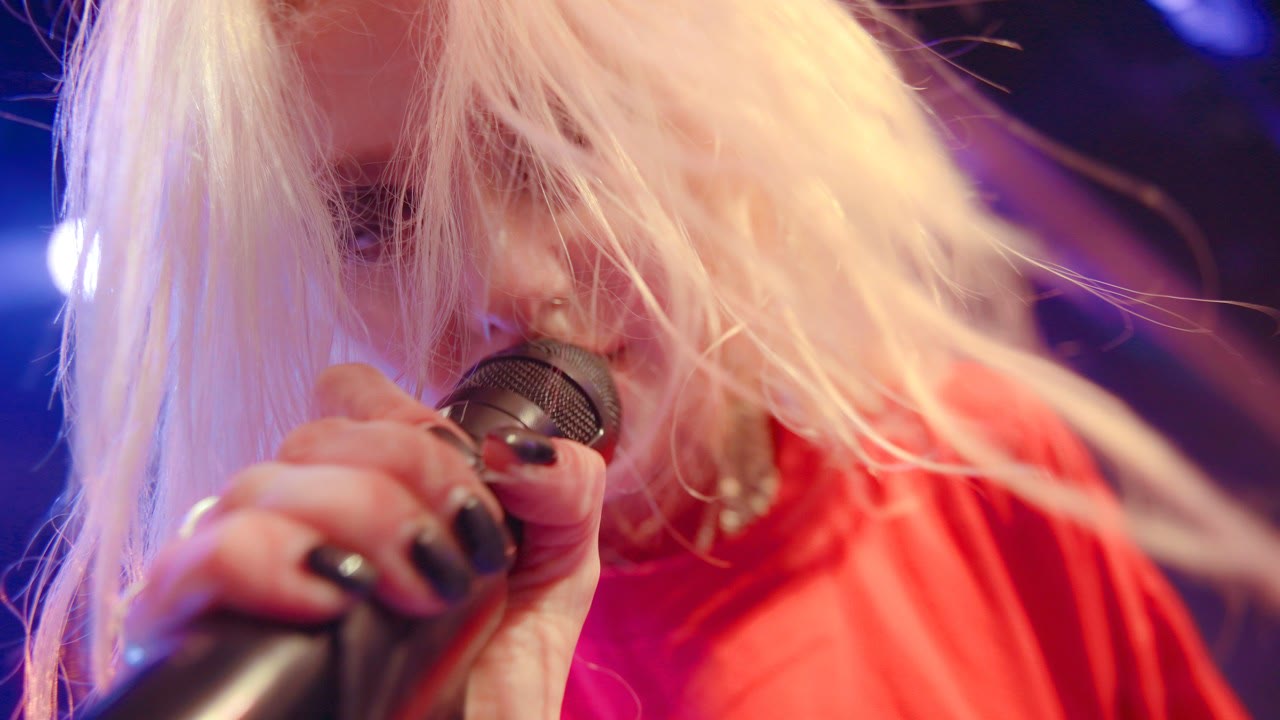
The Pretty Reckless developed into a serious rock band with an increasingly forceful identity: heavy without being trapped in metal orthodoxy, melodic without losing its bite, and emotionally direct in a way that made Momsen’s voice feel less like an accessory than the central instrument. Her raspy delivery carried real weight because the songs dealt directly with desire, grief, addiction, anger, faith and death.
By 2026, the old question, whether Taylor Momsen was “really” a rock musician, had become irrelevant. AC/DC had already answered it.
Angus Young’s phone call
The relationship between The Pretty Reckless and AC/DC began with an invitation that Momsen herself described as surreal. After supporting Soundgarden, the band was selected to open for AC/DC on the European leg of the “Power Up” tour in 2024. They returned for further dates in 2025, then joined the 2026 continuation of the tour, including the North American stadium run from July 11 through September 29.
Beyond the stadium scale, AC/DC connected directly to Momsen’s musical roots. Her father raised her on classic rock records, shaping an early love of the genre long before acting and fame entered the picture.
Then Angus Young called.
When Angus Young calls you and goes, ‘Hey, I love your band!’, you know you’re doing something right.
- Taylor Momsen, vocalist
The contrast is almost cinematic: the former child star, once treated as an intruder in rock spaces, being invited onto the largest stages by one of the genre’s defining institutions.
Momsen’s description of the tour captured the peculiar privilege of the arrangement. The Pretty Reckless would perform, then remain in the building as fans.
I get to play a show and be a fan. That’s the greatest tour!
- Taylor Momsen, vocalist
But sharing a stage with AC/DC also meant confronting the demands of survival at an enormous scale. Stadium rock is physically punishing. It requires consistency across continents, weather systems, time zones, travel days and the emotional strain of asking thousands of people to believe in a song every night.
Sharing those stadiums tested whether Momsen could carry a relentless global run as an independent bandleader.
The bat, the spider and the mythology of risk
The first warning came in Seville on May 29, 2024.
During The Pretty Reckless’ performance at Estadio La Cartuja, a bat attached itself to Momsen’s leg while she was singing “Witches Burn ↗.” She initially did not understand what was happening. The crowd’s reaction alerted her to the animal. Medical follow-up required a course of rabies shots.
The episode was frightening, but Momsen responded with the dark humor that would become part of the tour’s mythology. She joked that she must be a witch. Within the AC/DC camp, she acquired the nickname Batgirl. The band even gave her a bat-themed birthday celebration, complete with a homemade bat cake and bat-related headwear.
The humor mattered because it allowed the incident to remain human. Taking it in stride, she got her rabies shots, returned to the setlist and kept the tour moving on schedule.
The second incident was less theatrical and more dangerous.
Before The Pretty Reckless’ April 7, 2026 performance at Estadio GNP Seguros in Mexico City, Momsen was bitten on the lower leg by a venomous spider. She required medical treatment to counter the reaction and reduce the swelling, then performed. Her own account described the spider as massive and its venom as having a severe effect on her system.
At first, the story travelled as another bizarre chapter in the Batgirl saga. Then the consequences became clearer. In her later Metal Hammer interview, Momsen said the bite might have resulted in amputation had it not been caught in time. She also said doctors wanted to admit her to hospital, but she left against medical advice because she had a show to play.
Even if it might lead to a poisonous leg amputation, I’d literally die for the music.
- Taylor Momsen, vocalist
The line is dramatic, but it also exposes the complicated psychology of life on the road. For a frontwoman, cancellation can feel like abandonment, not only of an audience, but of the band members whose work depends on the singer being present. Checking out of a hospital to make showtime reflected the weight a lead singer feels when an entire band and crew count on the show going ahead.
That pressure is part of what the AC/DC tour forced her to confront: the difference between devotion and self-destruction.
“When I Wake Up”: looking back at the person she nearly lost
The deeper crisis in Momsen’s story did not begin with an animal bite. It began with grief.
In 2017, Chris Cornell died while The Pretty Reckless were touring with Soundgarden. Cornell was not only a musical hero; Momsen had been close enough to feel the loss as an intimate rupture. The following year, The Pretty Reckless producer Kato Khandwala was killed in a motorcycle accident. The deaths arrived with brutal proximity, and Momsen has described the period that followed as a collapse into substance abuse, binge drinking and self-destructive behavior.
She has spoken of reaching a moment when she had to choose between living and dying. Recovery took steady effort over time, starting with rediscovering why writing songs had mattered before it became associated with unbearable pain.
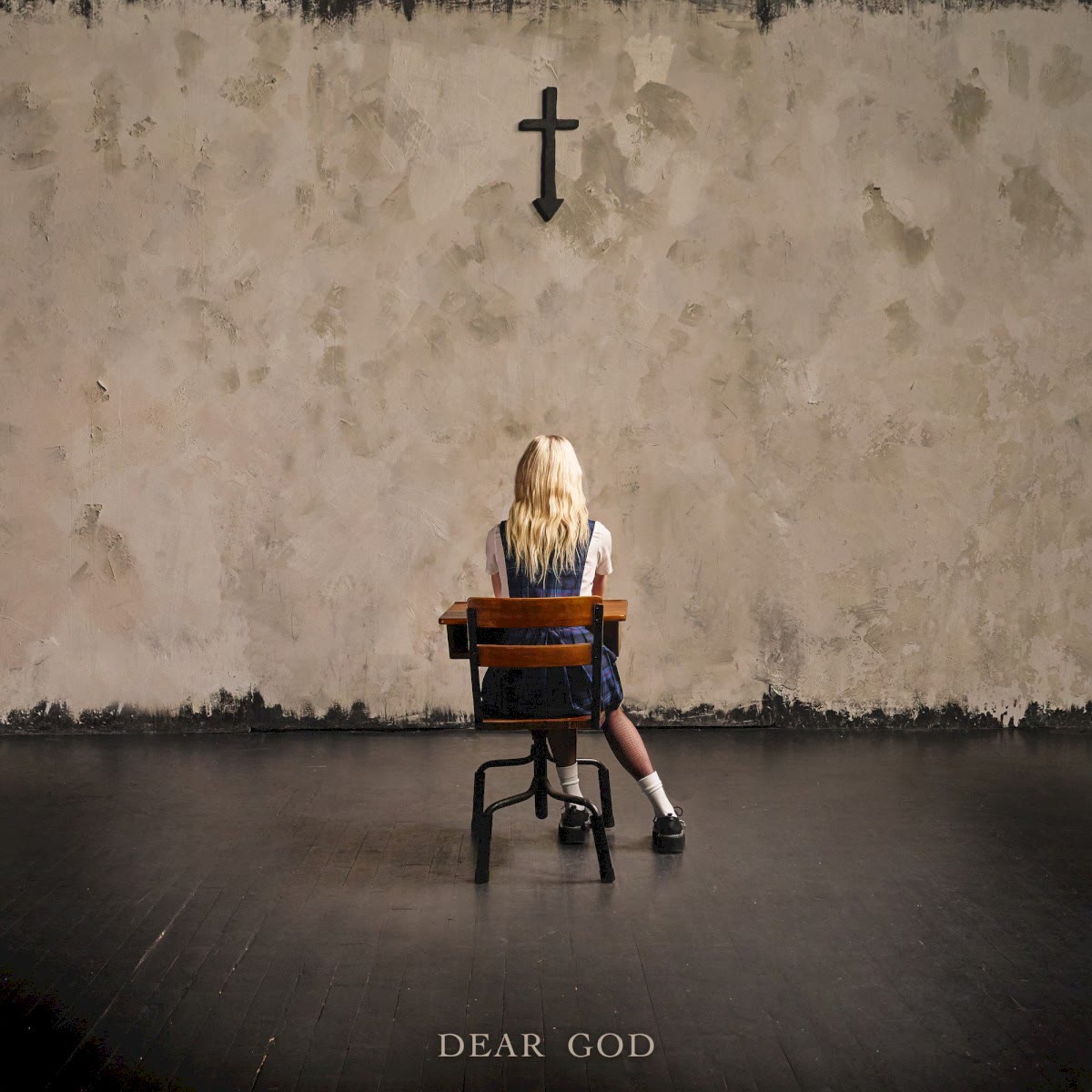
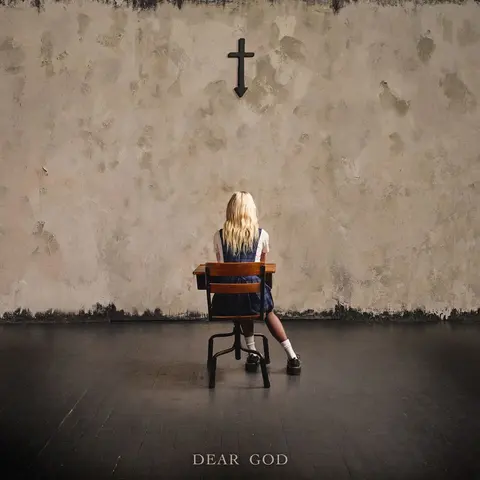
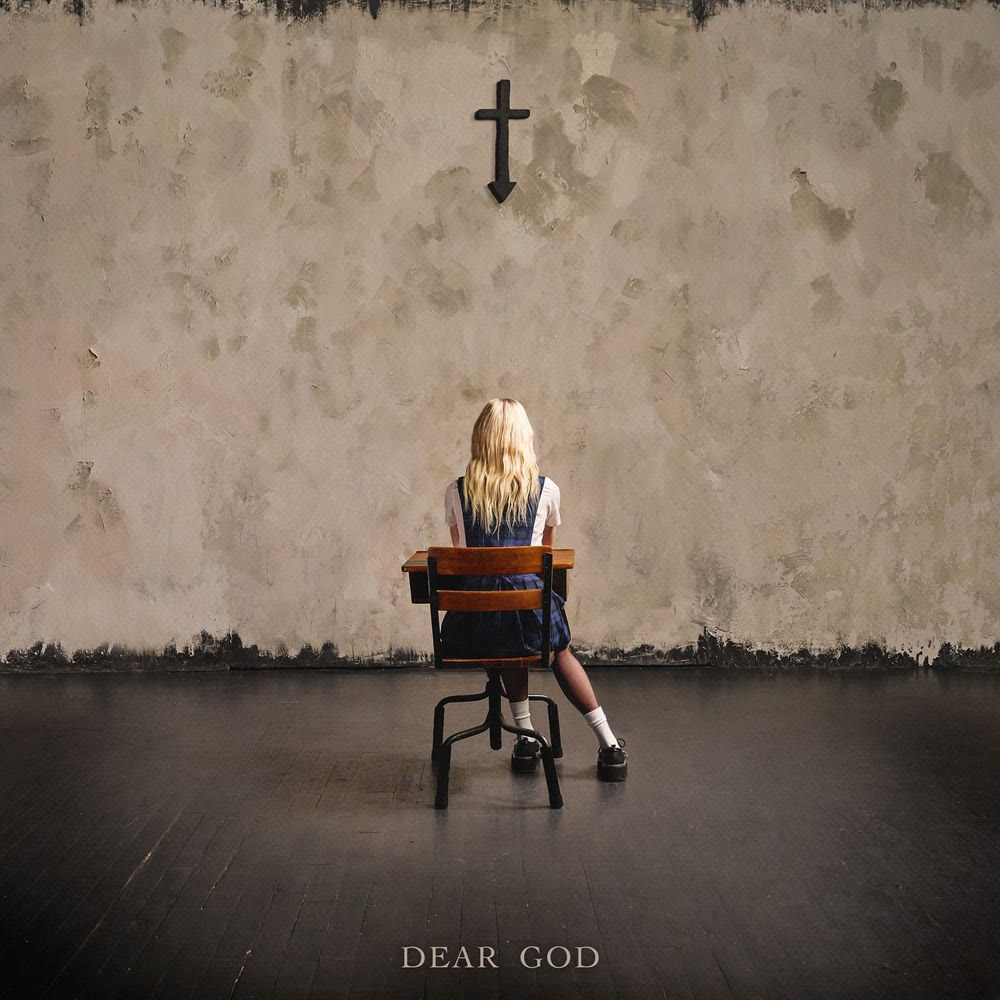
Her 2021 album “Death by Rock and Roll” emerged from that process. “Dear God ↗”, released on June 26, 2026, returns to those themes years later with a clear-eyed look at how lasting grief affects a recovering mind.
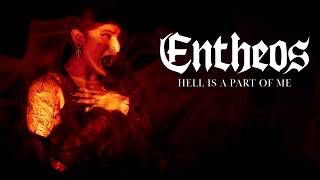
“When I Wake Up ↗” is especially revealing. Momsen has described the song as a dream gradually becoming a nightmare, with the protagonist unable to recognize the danger until it may be too late.
That premise mirrors her own account of addiction and emotional collapse. The song does not need to function as a literal diary to carry autobiographical weight. Its nightmare is the slow normalization of a life that is damaging you, the morning after, the missing time, the recognition that the person in the mirror has become unfamiliar.
The song’s accompanying video also reconnects Momsen with her past, featuring former “Gossip Girl” co-stars Jessica Szohr and Connor Paolo. Inviting Szohr and Paolo onto the set allowed Momsen to revisit her teenage acting years from her position as a veteran rock bandleader.
“Dear God”: faith without easy answers
The title track of “Dear God” reaches outward where “When I Wake Up” looks inward.
Momsen has said she was raised Catholic but is no longer involved in organized religion. Even so, the ideas of mortality, spirituality and the unknowable stayed with her. In Momsen’s reading, “Dear God” steps outside conventional church prayer into a raw plea aimed at fate and mortality.
The song’s importance lies in its refusal to offer a simple answer. Momsen’s writing has always been comfortable with contradiction: sacred and profane, glamour and ugliness, sex and death, performance and private pain. On “Dear God,” voicing those doubts without easy answers becomes a way to stay tethered to living.
That thread anchors the album. Momsen has described songwriting as a way to keep Chris Cornell and Kato Khandwala present in her life and music long after their deaths.
The grief never gets easier, it just transforms.
- Taylor Momsen, vocalist
That may be the most honest description of survival in the entire story.
“Rollercoaster of Life” and the courage to begin again
If “When I Wake Up” examines collapse and “Dear God” looks for meaning, “Rollercoaster of Life ↗” recognizes the absurdity of having survived both.
The song’s title suggests movement without control: the ascent, the drop, the sudden turn, the stomach-churning repetition. It is a fitting image for Momsen’s journey from child stardom to teenage scrutiny, from television fame to rock-band skepticism, from idolizing Soundgarden to grieving Cornell, from losing Khandwala to rebuilding The Pretty Reckless, from stadium triumph to hospital treatment.
The track does not erase the darkness. Instead, it places the darkness inside a larger cycle. Life is unstable, occasionally ridiculous, frequently painful, and still worth riding.
Adult life on the road taught Momsen that rebuilding a career takes daily discipline rather than a single dramatic gesture. She had to become the singer, then the songwriter, then the leader, then the person capable of surviving the consequences of all three roles.
That is what makes the AC/DC story more significant than a viral medical anecdote. The bat and spider are memorable because they are strange. But the real narrative is about a woman who kept walking toward the stage while confronting the limits of her body, the history of her grief and the obligations of the band that depends on her.
Why this matters to metal fans
The metal community has always valued authenticity, but it has not always offered women the benefit of the doubt. Women in heavy music are often asked to prove their seriousness twice: once through the songs, and again through the endurance required to perform them.
Momsen’s career exposes that double standard. Her childhood fame became an argument against her credibility. Her femininity was treated as an image before her musicianship was heard. Her pain could easily have been turned into spectacle. Instead, she has repeatedly made it part of the work without allowing it to consume the work.
The Pretty Reckless matter because they occupy a space between classic rock grandeur, grunge confession and modern metal intensity. Momsen’s voice can be intimate and bruised, then suddenly enormous. She does not sing as though suffering makes her special. She sings as though suffering is one of the conditions through which people understand one another.
The 2026 AC/DC tour placed her beside one of rock’s last giants. It also placed her face-to-face with the danger of living for music: the physical risks, the emotional debts, the temptation to confuse endurance with invincibility.
She made it through by treating survival as steady everyday work. It means asking for help before the wound becomes fatal. It means carrying grief without letting it dictate the ending. It means returning to the stage, but also learning when the stage cannot be the only reason to stay alive.
Taylor Momsen’s second act brings all of that history onto the stage on her own terms.
The child actor, the teenage television star, the grieving friend, the recovering addict, the singer with a venomous bite in her leg, all of them are present in The Pretty Reckless. None of them gets to define her alone.
The music does.